Engineered for Reliable Performance

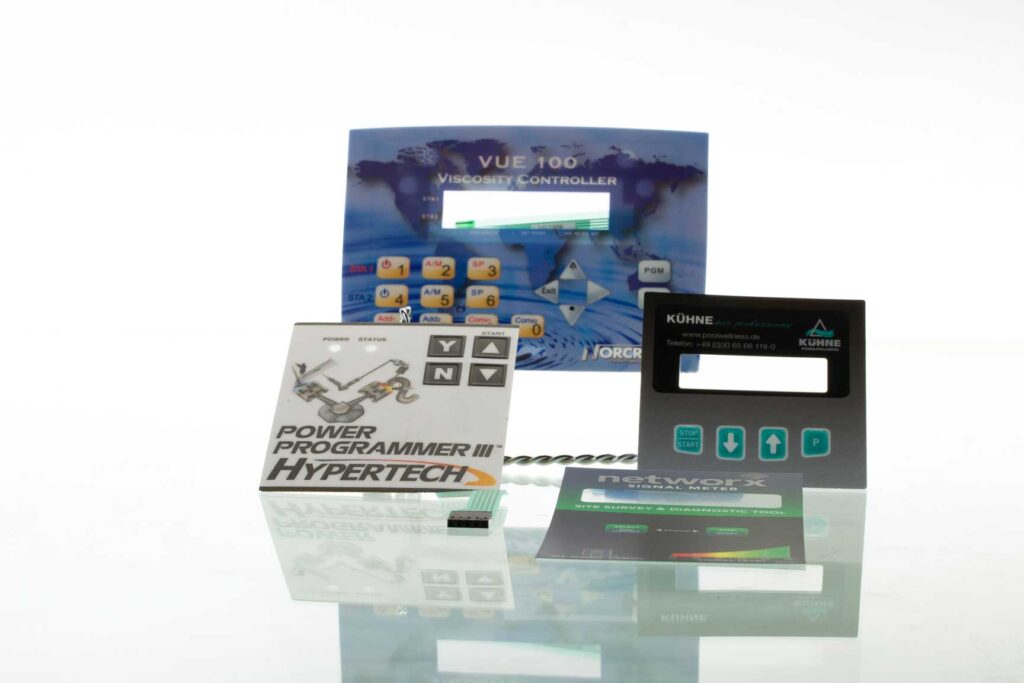
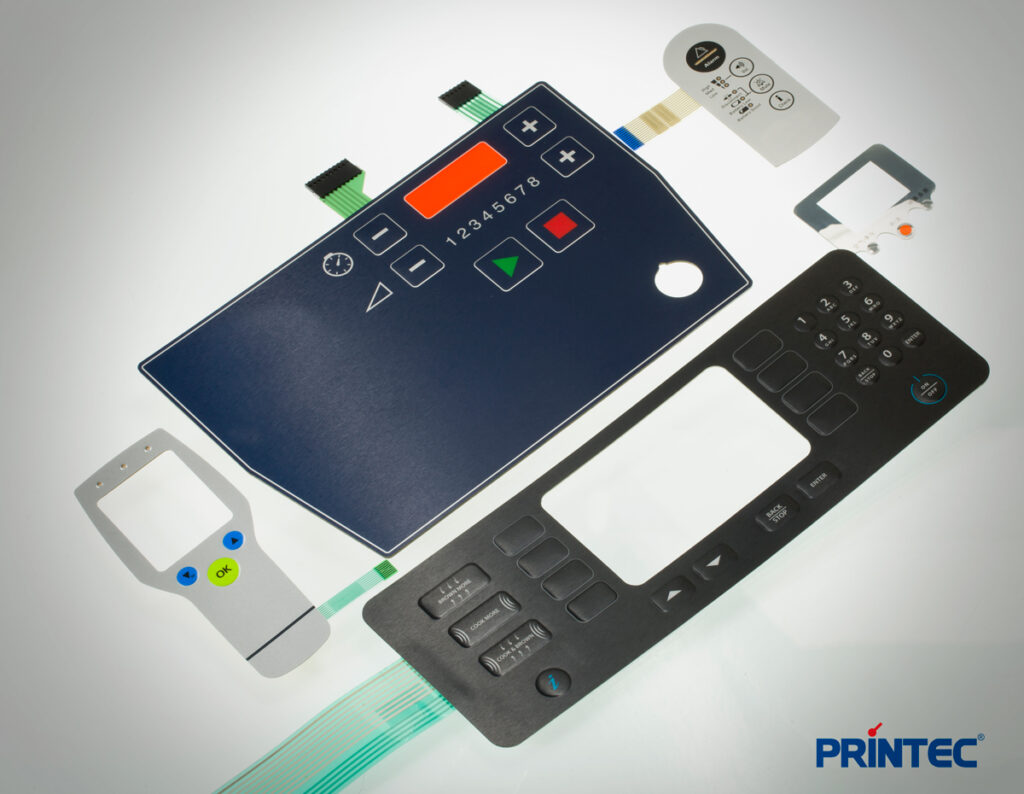
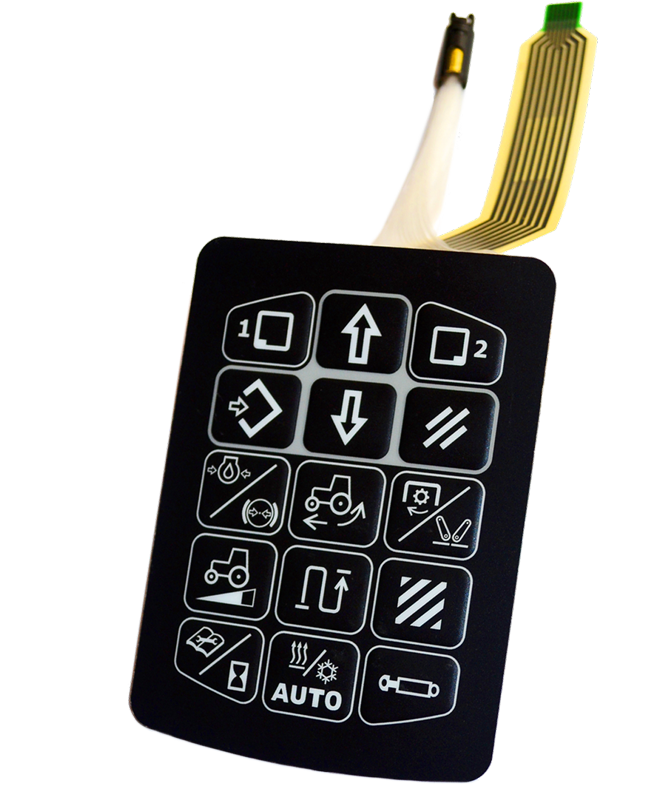
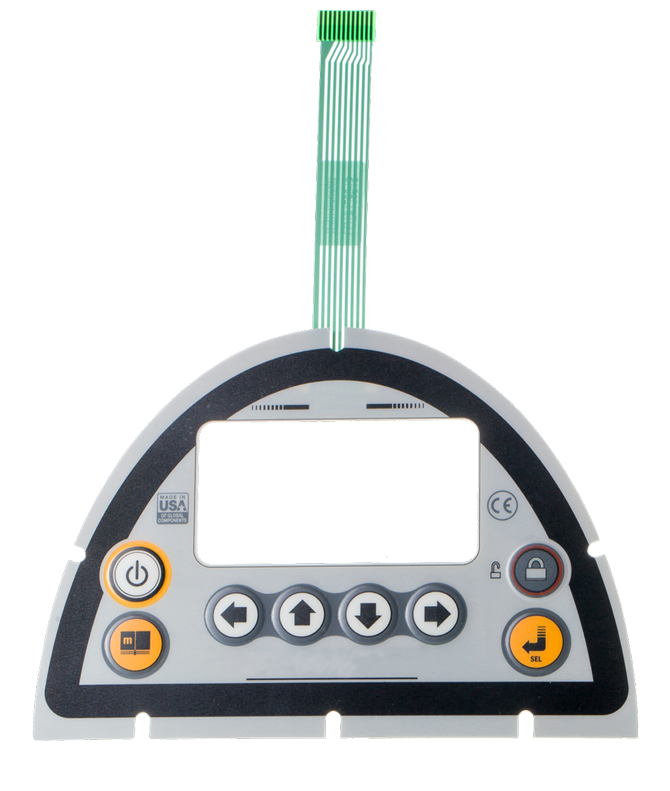
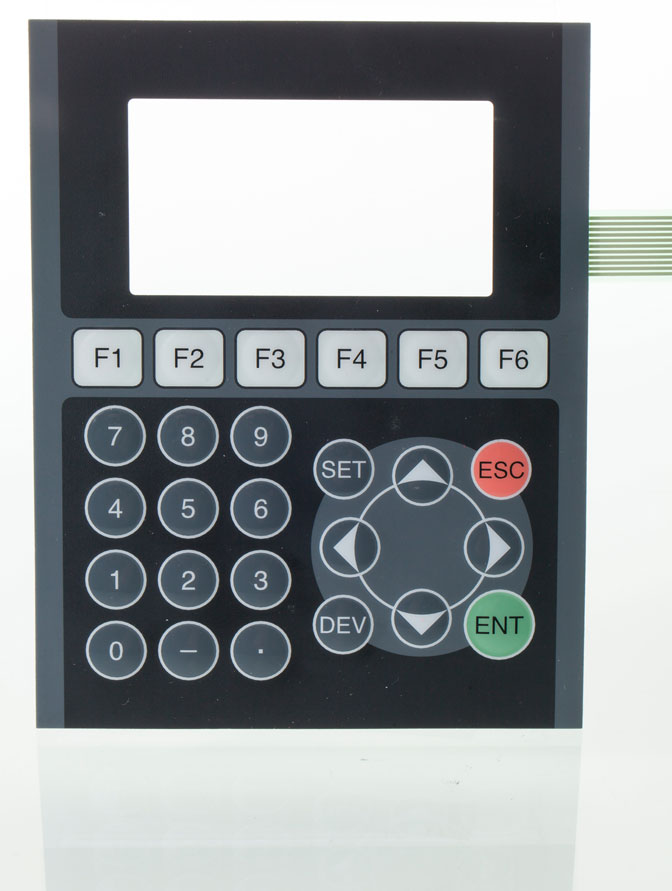
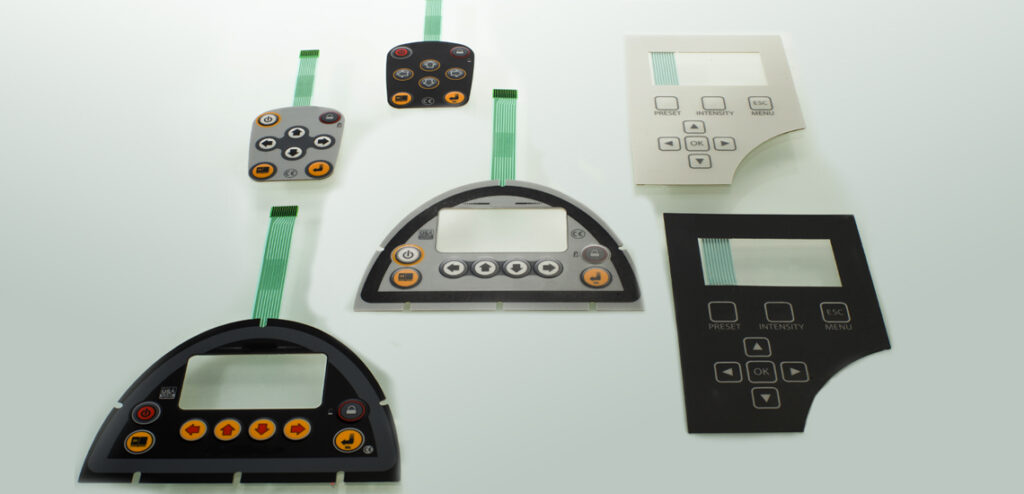
Custom membrane switches support industrial, medical, fitness, and commercial electronic applications that require durability, repeatability, and long term reliability. Custom membrane switches manufactured by PRINTEC are designed around performance, environmental resistance, and scalable production.

• Custom membrane switches & graphic overlays
• Display integration & HMI assemblies
• Engineering support & design review
• Medical, industrial & OEM applications
• Manufacturing scalability & integration support
What Impacts Reliability in Real-World Applications

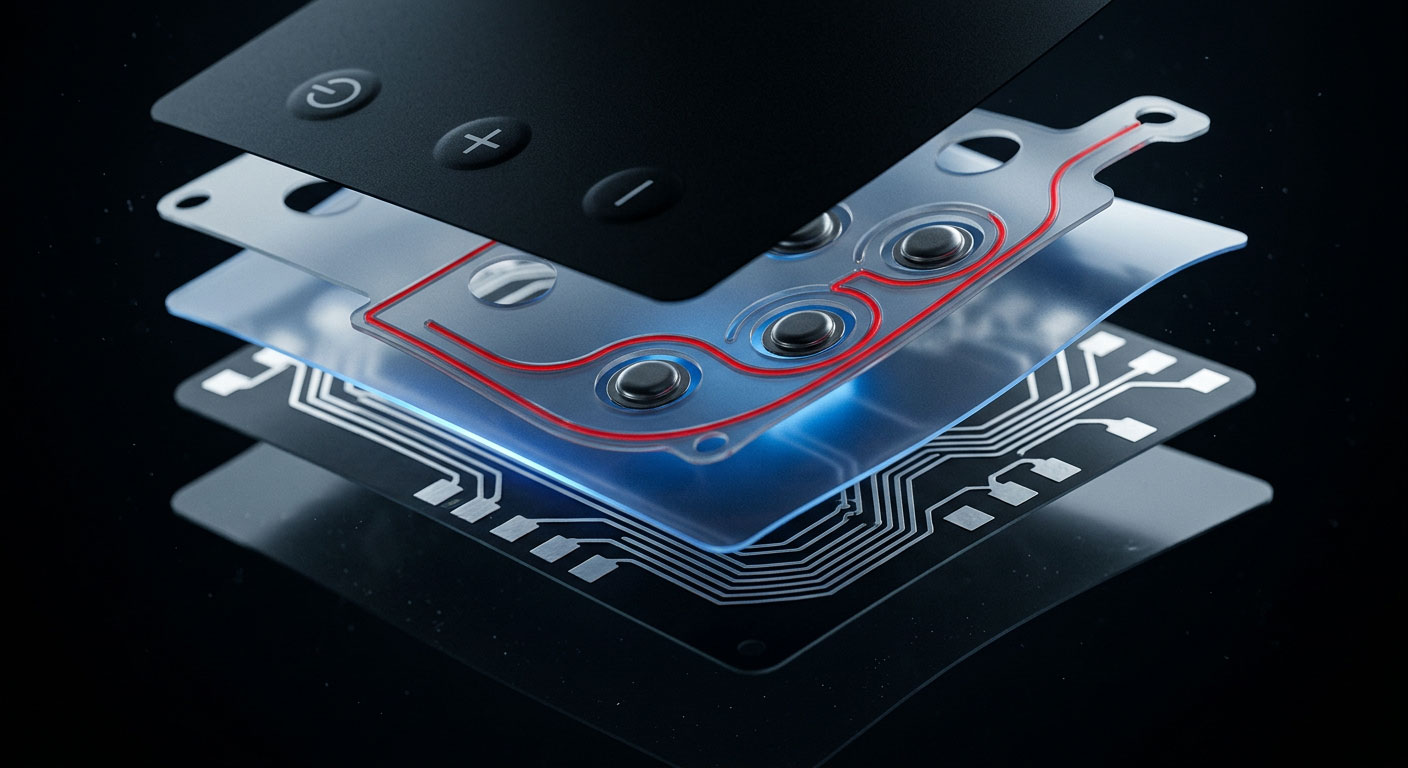
Each membrane switch design involves choices that affect feel, durability, visibility, sealing, and integration. Explore the core areas below.

Tactile Response

Tactile Response

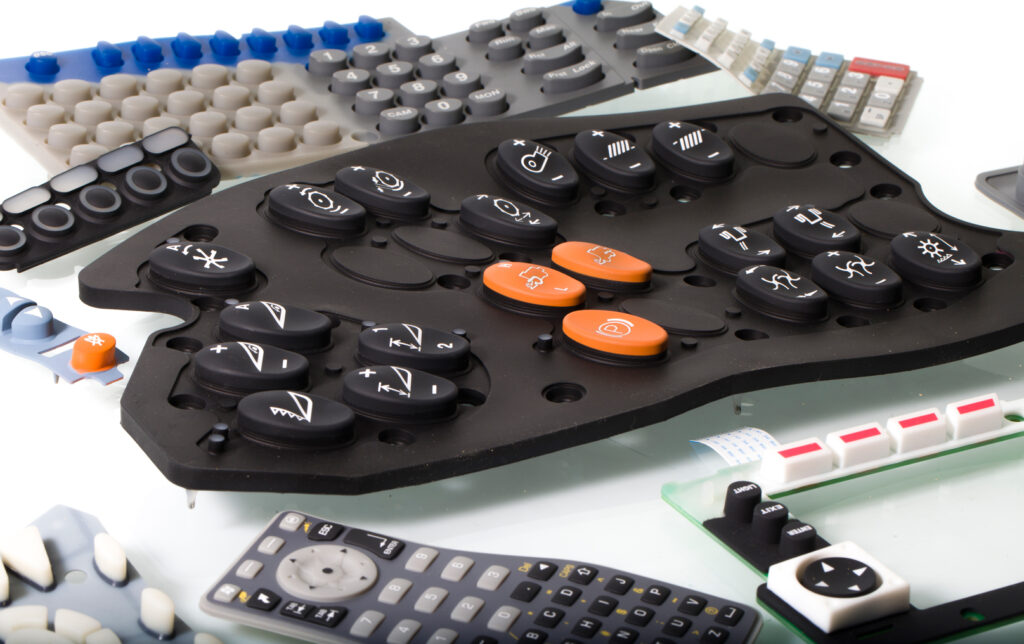
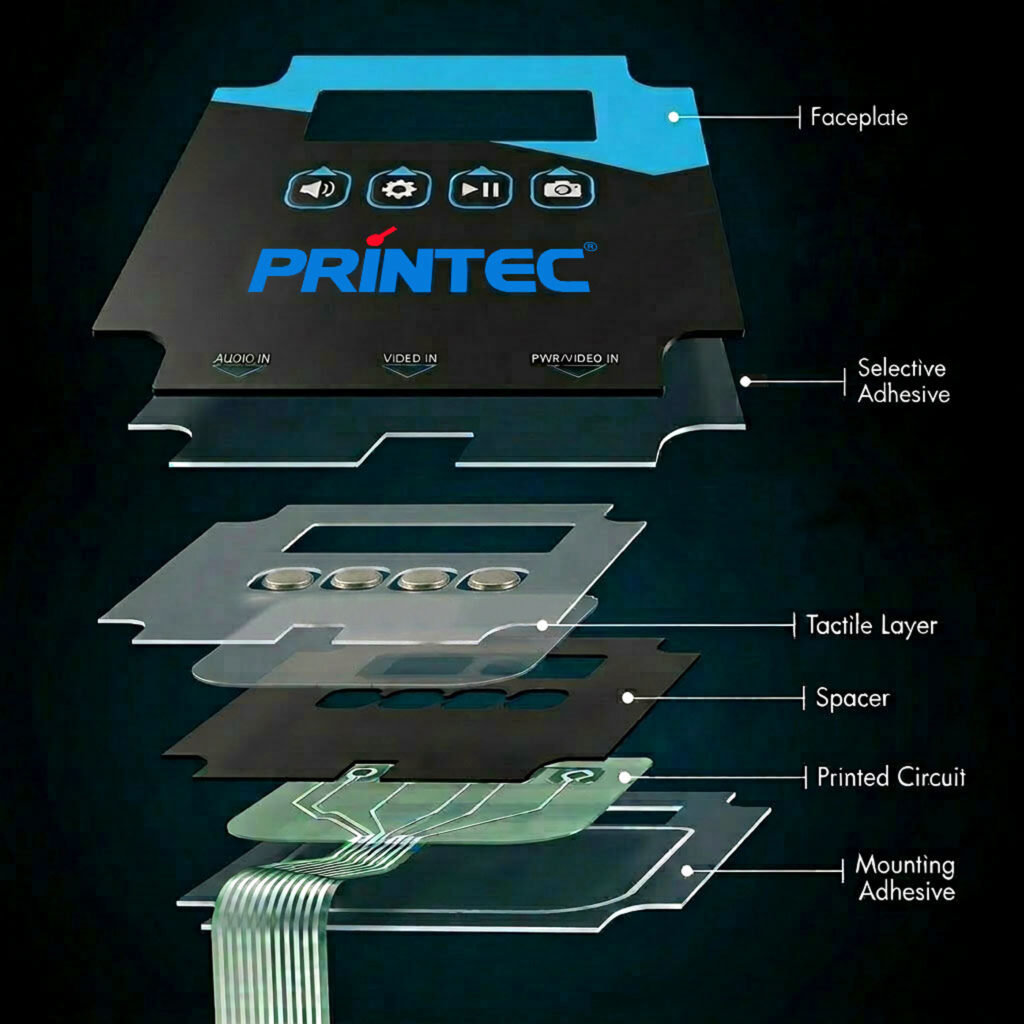
Metal domes and polydomes provide tactile feedback with defined actuation force and lifecycle performance. Non-tactile designs, including capacitive and ITO-based interfaces, enable smooth, touch-based interaction.

Key considerations:

  • Metal domes, polydomes, or non-tactile designs
  • Capacitive and ITO-based touch interfaces
  • Actuation force and snap ratio
  • Lifecycle performance and fatigue behavior

Circuits

Circuit Construction

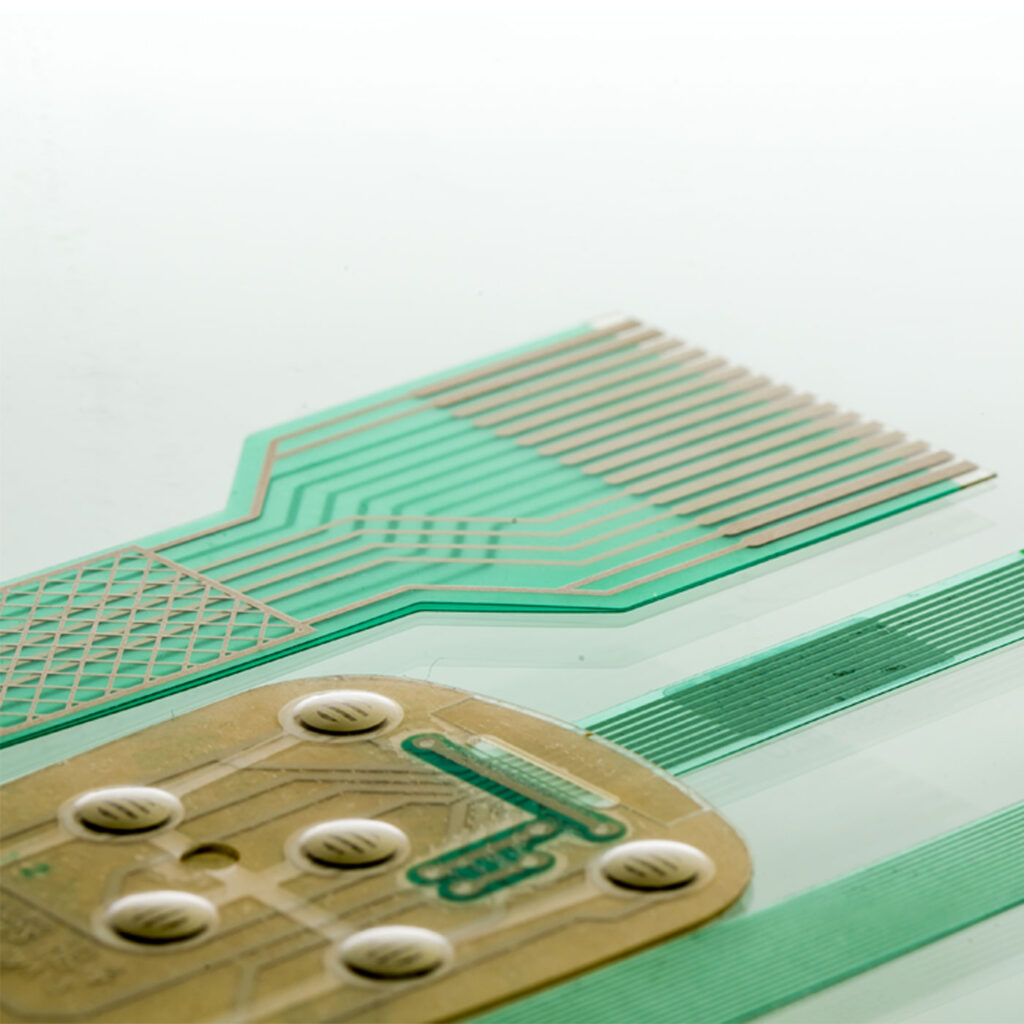
Defines electrical performance and system durability.

Key considerations:

  • Silver flex, copper flex, or hybrid circuits
  • Layer count and routing complexity
  • EMI, ESD, and shielding requirements

Backlighting

Backlighting Solutions

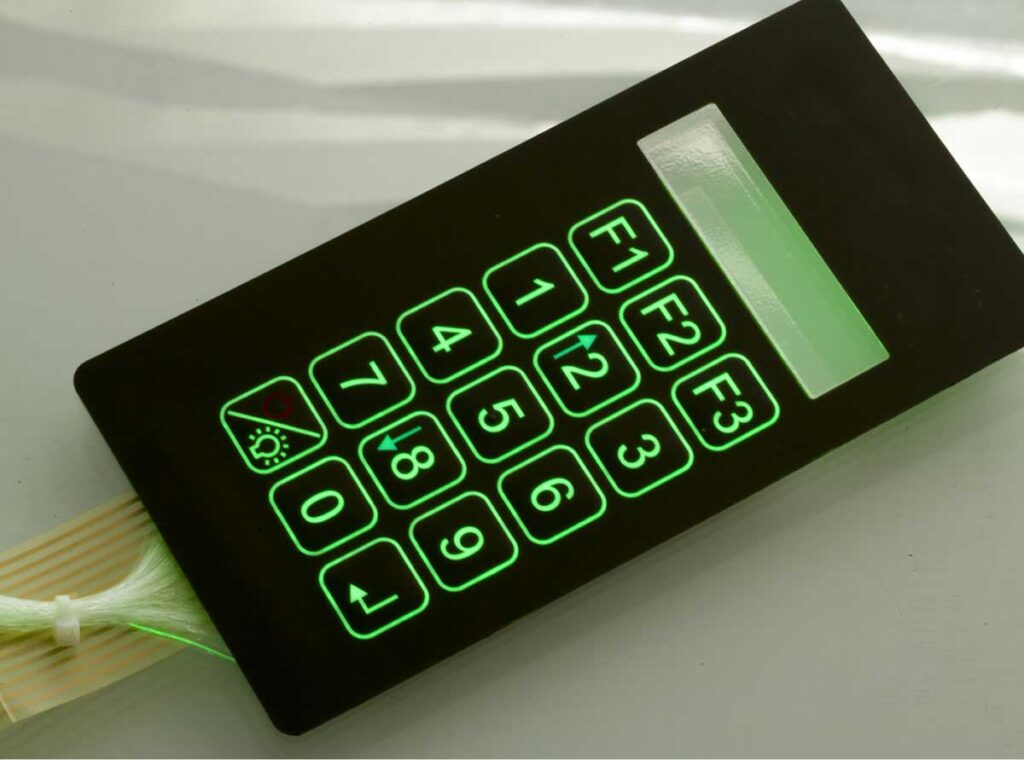
LED, light guide film, fiber optic, and electroluminescent technologies enable visibility and uniform illumination across user interfaces.

Key considerations:

  • LED, light guide film, fiber optic, or EL
  • Brightness and uniformity control
  • Power consumption considerations

Overlay

Overlay Design

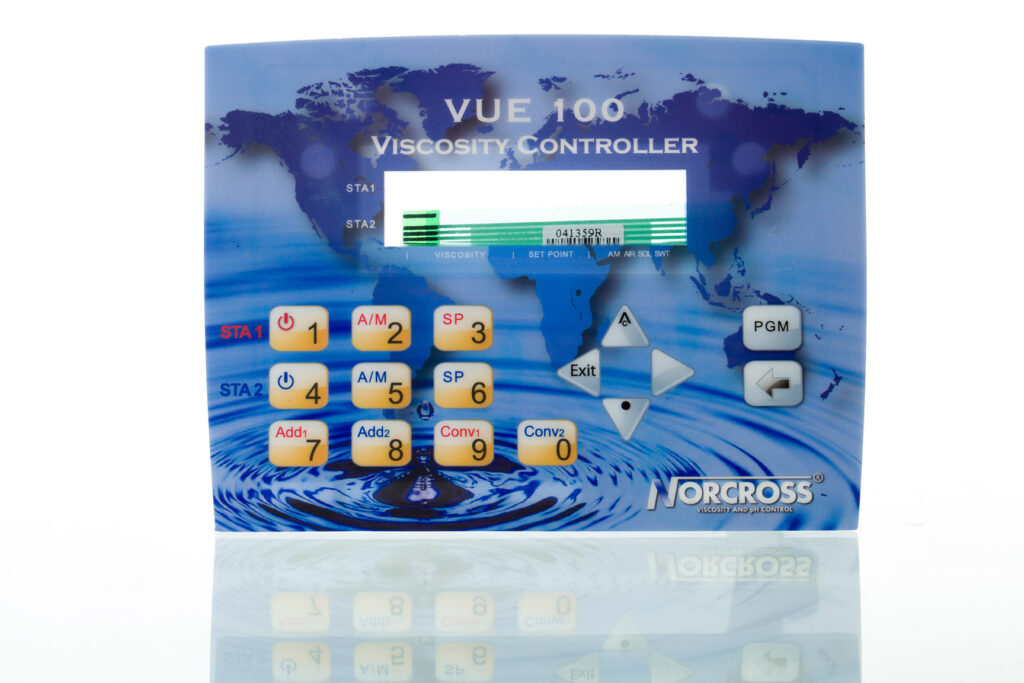
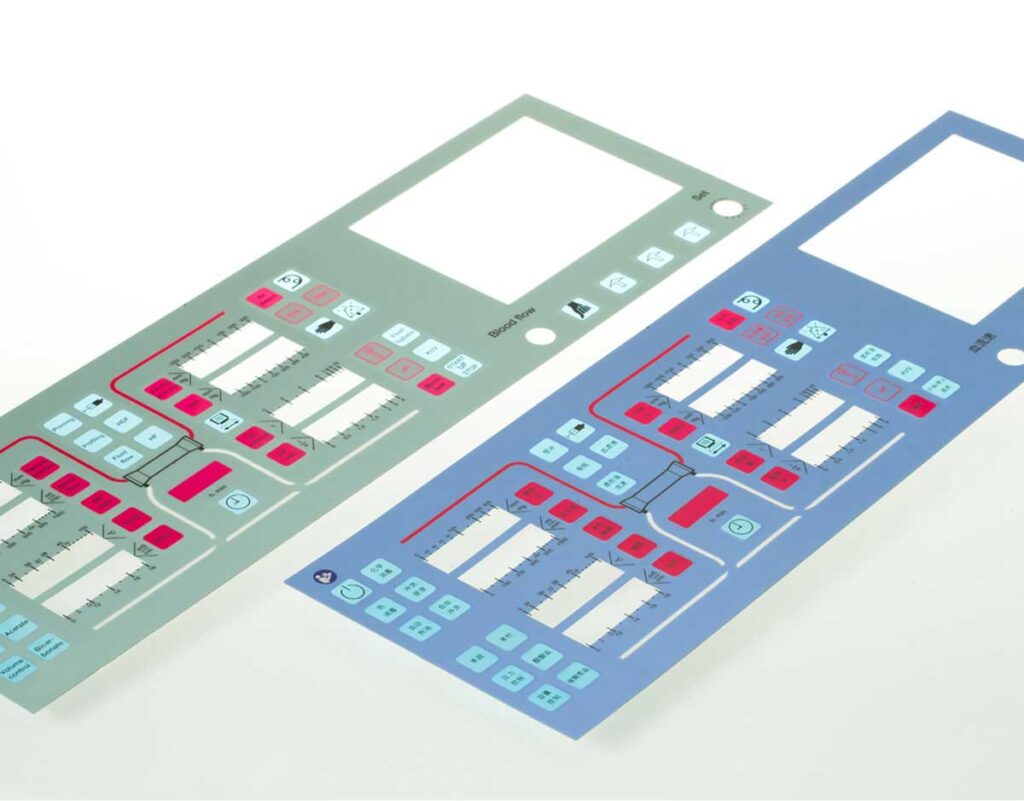
Graphic overlays define the interface through embossing, textures, and display features that impact usability and durability.

Key considerations:

  • Embossing for tactile guidance
  • Deadfront graphics and display windows
  • Surface textures and coatings

Protection

Environmental Protection

Sealing strategies and material selection support resistance to moisture, chemicals, UV exposure, and harsh environments.

Key considerations:

  • IP sealing and gasketing strategies
  • Chemical, UV, and abrasion resistance
  • ESD and shielding protection

Integration

System Integration

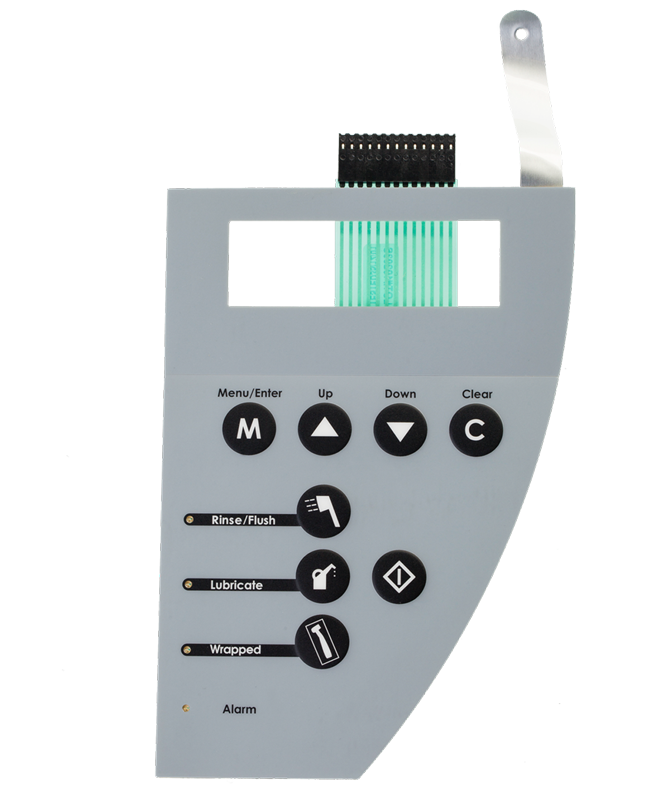
Membrane switches can be integrated into full HMI assemblies including connectors, rigid components, and sub-assemblies.

Key considerations:

  • Connectors, flex tails, and cable options
  • Rigid backing and mounting methods
  • Sub-assemblies and HMI integration

What Impacts Performance Most

In Membrane Switch Design

Performance is rarely defined by a single feature. It is the result of how materials, construction, and environmental considerations work together in the final design.

  • Material selection and adhesive compatibility
  • Circuit design and signal integrity
  • Environmental exposure and sealing strategy
  • Backlighting method and visibility conditions
  • Integration with housings, connectors, and assemblies

Most performance issues are not caused by one decision, but by how these variables interact.

Engineering-Driven Capabilities

From early design input to full production, membrane switch performance depends on how each component is engineered and integrated. We support OEMs across the full build, not just individual parts.

User Interface Design

Custom membrane switches, silicone keypads, and overlays designed for usability, durability, and consistent actuation.

Circuit Integration

Silver flex, copper flex, and hybrid circuits engineered for signal integrity, environmental reliability, and system compatibility.

Full Assembly

Complete sub-assemblies including displays, PCBs, adhesives, and enclosures aligned for manufacturability and long-term performance.

FAQ for Custom Membrane Switches

Most performance issues are not caused by a single component, but by how materials, circuits, and environmental factors interact in the final design.

How does Printec support both engineering collaboration and production scalability?

Successful membrane switch programs often require more than just component manufacturing. They require coordination between engineering support, process control, communication, and long-term production consistency.

Printec supports OEM programs through global manufacturing operations while also maintaining support within the United States to help streamline communication, project coordination, and customer support throughout development and production.

As a result, this structure supports scalable manufacturing, closer collaboration, design refinement, and ongoing production.

What quality systems and certifications support your manufacturing processes?

Manufacturing consistency and long-term reliability are often supported by the quality systems behind the production process.

Printec supports a range of industries with manufacturing systems aligned to internationally recognized standards, including ISO 9001, ISO 13485, ISO 14001, and IATF 16949 requirements.

In addition, these standards support process control, traceability, quality management, environmental responsibility, and manufacturing consistency across industrial, medical, and automotive-related applications.

Why do membrane switches fail in outdoor or high humidity environments?

Environmental reliability is often affected by adhesive selection, venting strategy, material compatibility, and overall construction design.

Small variations in adhesive thickness or chemistry can lead to delamination, especially in high humidity or outdoor environments. Temperature cycling, UV exposure, and improper sealing can also accelerate failure over time.

Long-term performance depends on how the complete assembly performs together, not just the switch itself.

Why does membrane switch backlighting sometimes look uneven?

Uneven illumination is usually caused by LED placement, diffuser selection, spacing constraints, or light path inconsistencies within the construction.

In many projects, hot spots and brightness variation are not fully visible until late-stage prototyping or production builds. Proper backlighting performance requires coordination between circuit design, overlay materials, diffuser strategy, and mechanical integration.

How does circuit design affect long-term membrane switch reliability?

Electrical performance is influenced by trace layout, shielding strategy, material selection, and overall circuit construction.

In high-noise or electrically sensitive environments, improper routing or inadequate shielding can contribute to signal instability, intermittent behavior, or premature performance issues over time.

Reliable performance requires the circuit design, materials, and application environment to work together as a complete system.

What should be considered for moisture, dust, or environmental protection?

Environmental protection depends on more than just adding a gasket or adhesive layer.

Sealing performance is influenced by venting strategy, bonding methods, overlay construction, material compatibility, and the overall enclosure design. If these elements are not aligned with the operating environment, moisture intrusion or premature failure can occur over time.

Applications exposed to humidity, washdowns, chemicals, or outdoor conditions often require additional consideration early in development.

Why is early integration planning important for membrane switch assemblies?

Membrane switch performance is often affected by how the switch integrates with the surrounding housing, enclosure, connector, or mechanical assembly.

Tolerance stack-ups, mounting methods, enclosure pressure points, and alignment constraints can all influence tactile feel, actuation consistency, and long-term durability.

Addressing integration requirements earlier in development can help reduce redesigns, assembly issues, and late-stage performance surprises.

×

Start an Engineering Review

Share a few details about your membrane switch application and we’ll follow up.

    What are you looking for?

    USAKoreaTaiwan