
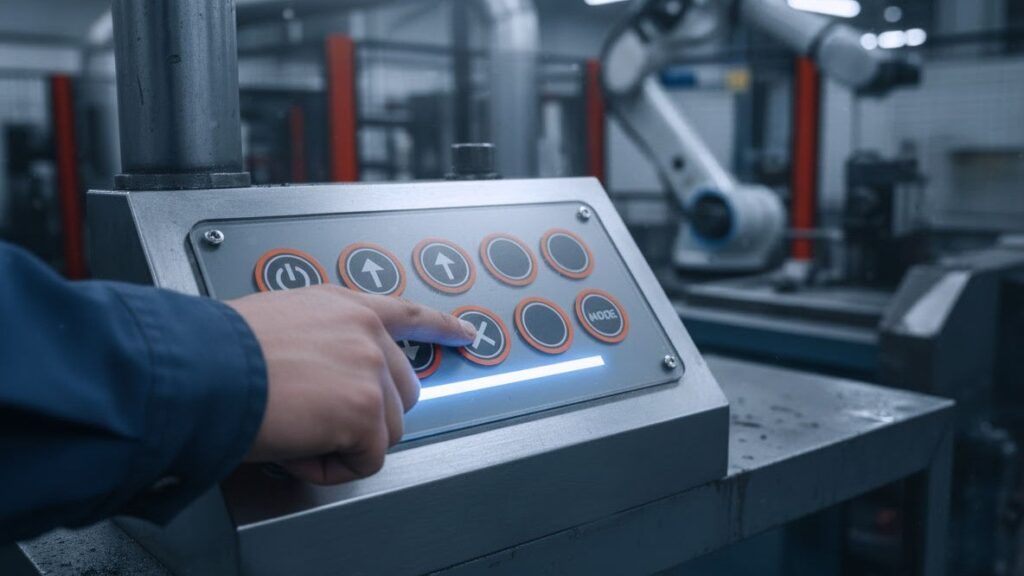
Long lifecycle industrial manufacturing requires products to remain stable, reproducible, and supportable for years after launch. Long lifecycle industrial manufacturing depends on disciplined processes, documentation, and long term planning.
Unlike consumer devices that refresh every year or two, industrial systems often remain in the field for a decade or more. They operate quietly in factories, infrastructure, utilities, transportation networks. They are expected to work. Consistently. Without drama.
And one day, the engineers who designed them are no longer there.
That reality changes how manufacturing should be approached.
Longevity Changes the Standard
When a product is expected to perform for ten years, the question is no longer just whether it works.
The real question becomes whether it can be reproduced, serviced, and supported years later under different conditions, by different people, possibly with different suppliers.
Short term thinking does not survive long lifecycle environments.
In industrial manufacturing, stability matters more than speed. Documentation matters more than convenience. Process discipline matters more than improvisation.
The products that quietly endure are rarely the most flashy. They are the most structured.
Reproducibility Is the Real Test
Anyone can build a strong first production run.
The harder challenge is building the same product five years later, with the same quality, the same tolerances, and the same functional reliability.
Turnover happens. Suppliers evolve. Material lots change. Tooling ages.
If process parameters are loosely defined or dependent on tribal knowledge, the product slowly drifts.
The strength of a manufacturing system shows up when the original team is gone.
That is where discipline reveals itself.
Obsolescence Is Rarely a Surprise
In long lifecycle programs, material availability becomes a strategic consideration.
Components that are common today may quietly approach end of life. Suppliers consolidate. Specifications shift. Regulatory requirements evolve.
When obsolescence creates disruption, it is usually not because it was unpredictable. It is because it was not reviewed regularly.
Industrial programs benefit from periodic material audits, alternate sourcing strategies, and disciplined change management long before pressure forces redesign. Long lifecycle quality systems should align with ISO 9001 quality management requirements.
Stability requires foresight.
Documentation Is Not Administrative
In some environments, documentation is treated as paperwork.
In long lifecycle industrial manufacturing, documentation is protection.
Clear process windows. Controlled revisions. Traceable material changes. Defined inspection criteria.
These are not bureaucratic exercises. They are safeguards for future teams who will inherit the program.
Years later, when volumes fluctuate or service replacements are needed, disciplined documentation prevents guesswork.
It preserves continuity.
The Bigger Perspective
Industrial products are rarely noticed when they perform well. They simply work.
But behind that reliability is a manufacturing system designed for longevity rather than urgency.
That mindset shows up in how materials are selected, how processes are validated, how changes are communicated, and how risks are reviewed over time.
These principles are quietly reflected in environments such as Printec, where long lifecycle manufacturing is approached with an understanding that today’s decisions must still make sense years from now.
Designing for the day you are not there is not pessimism.
It is discipline.


