 Uniform
 Selective
 Day/night


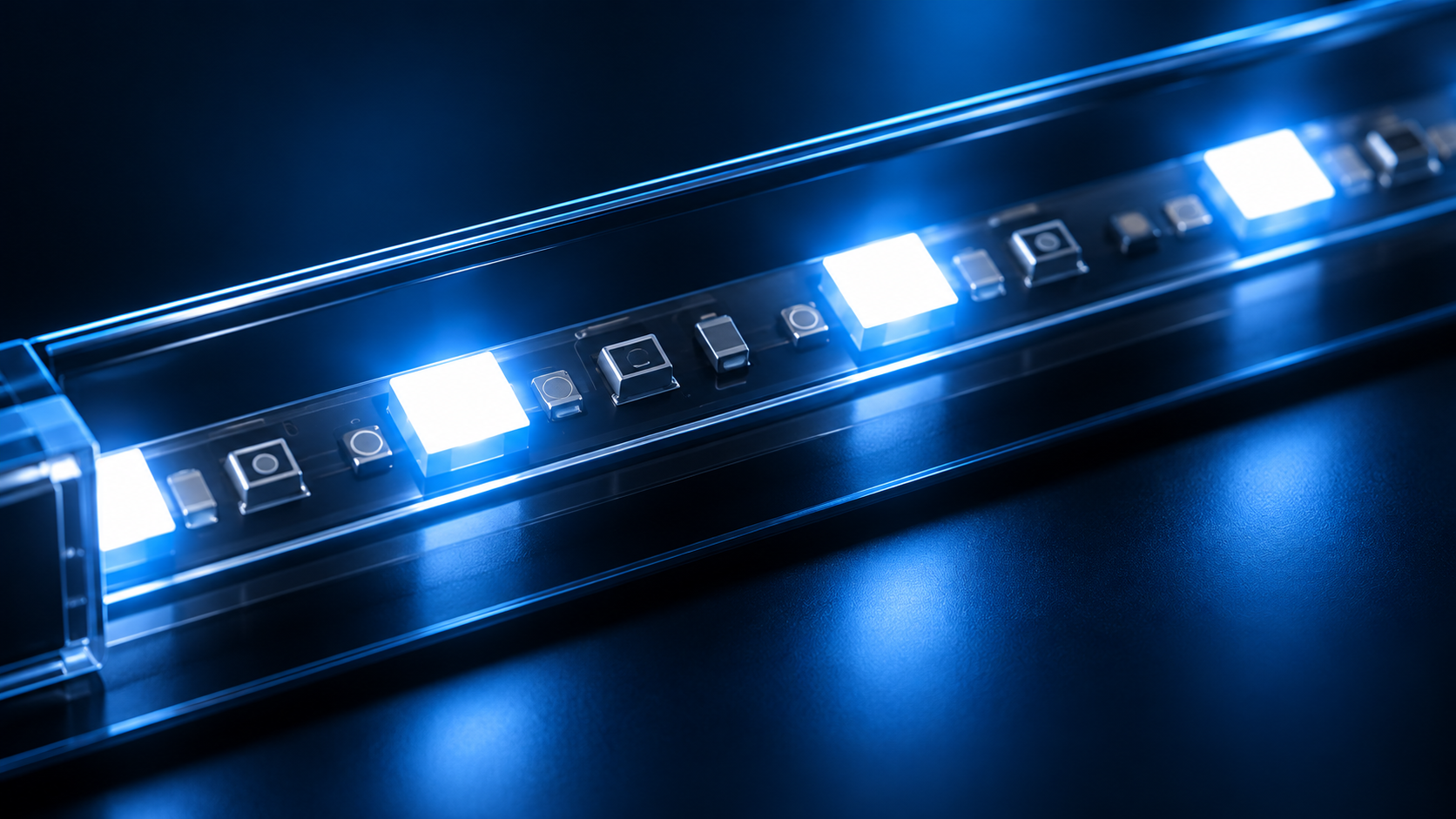
LED Backlighting
Bright, efficient, and highly configurable. Ideal for crisp illumination, selective zones, and dynamic control.


Printec delivers backlighting solutions that improve visibility, enhance usability, elevate aesthetics, and integrate seamlessly into your membrane switches, HMIs, and custom user interfaces.
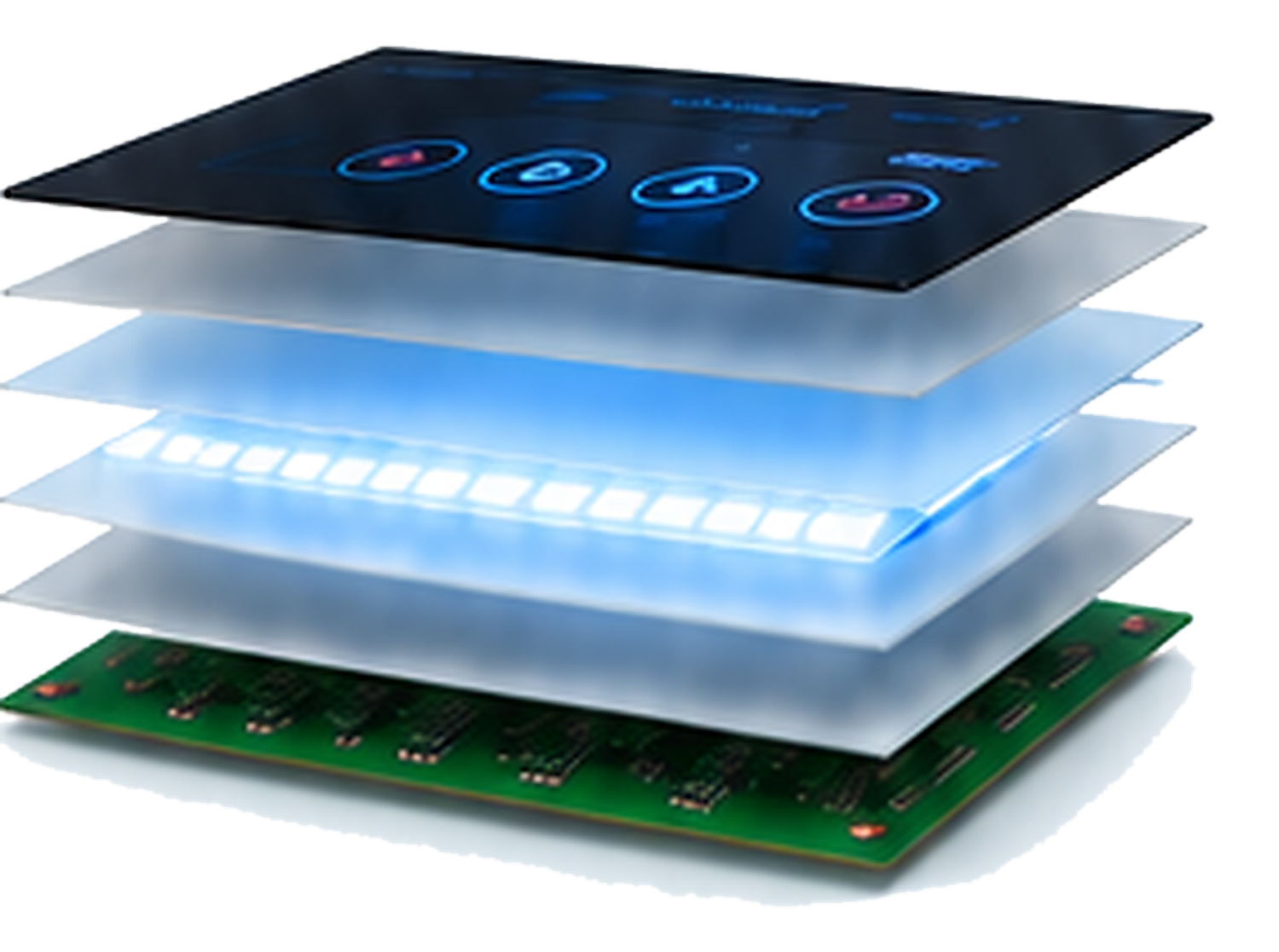
Backlighting places a light source behind a membrane switch, overlay, or HMI to enhance readability, communicate status, and create a premium user experience. It brings your interface to life in low-light environments and adds design flexibility for illuminated icons, text, and graphics.
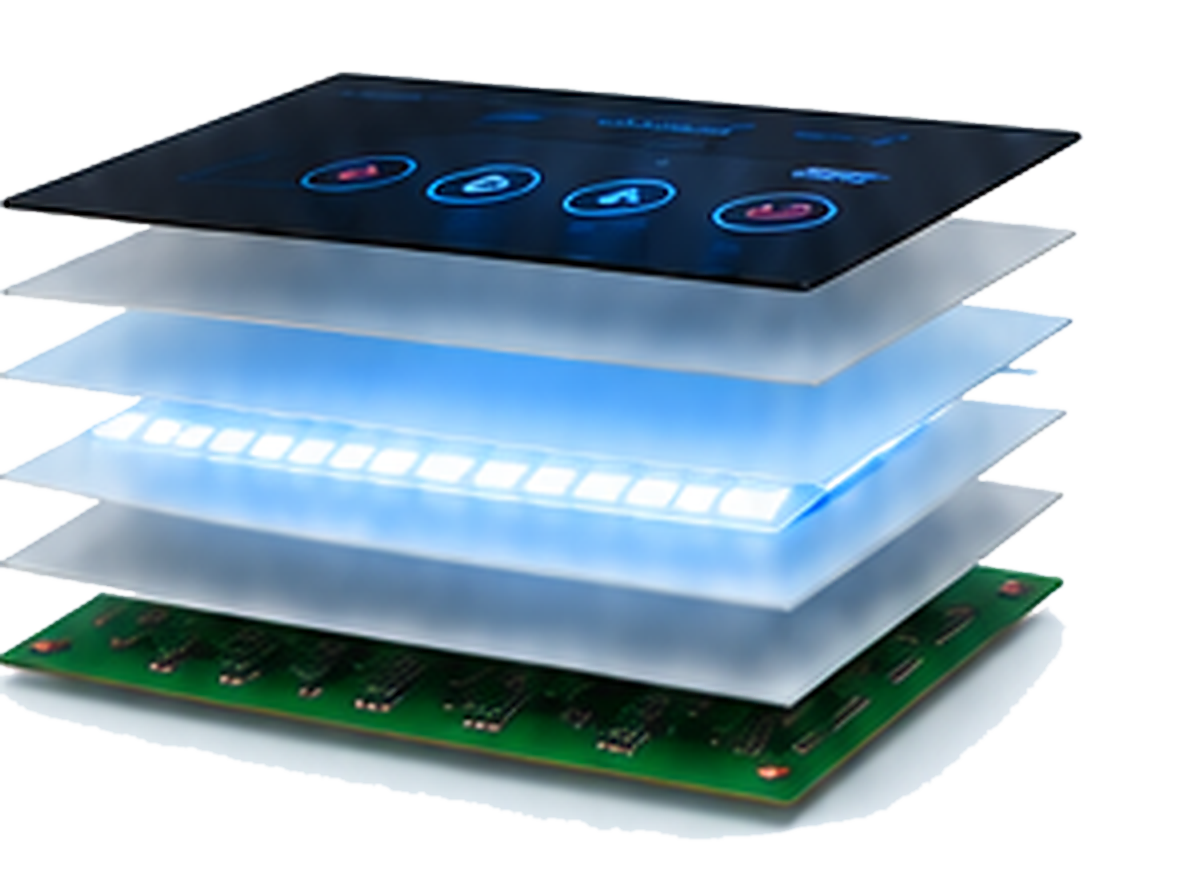
Choose the right backlighting technology for your performance, design, and budget requirements.
Bright, efficient, and highly configurable. Ideal for crisp illumination, selective zones, and dynamic control.
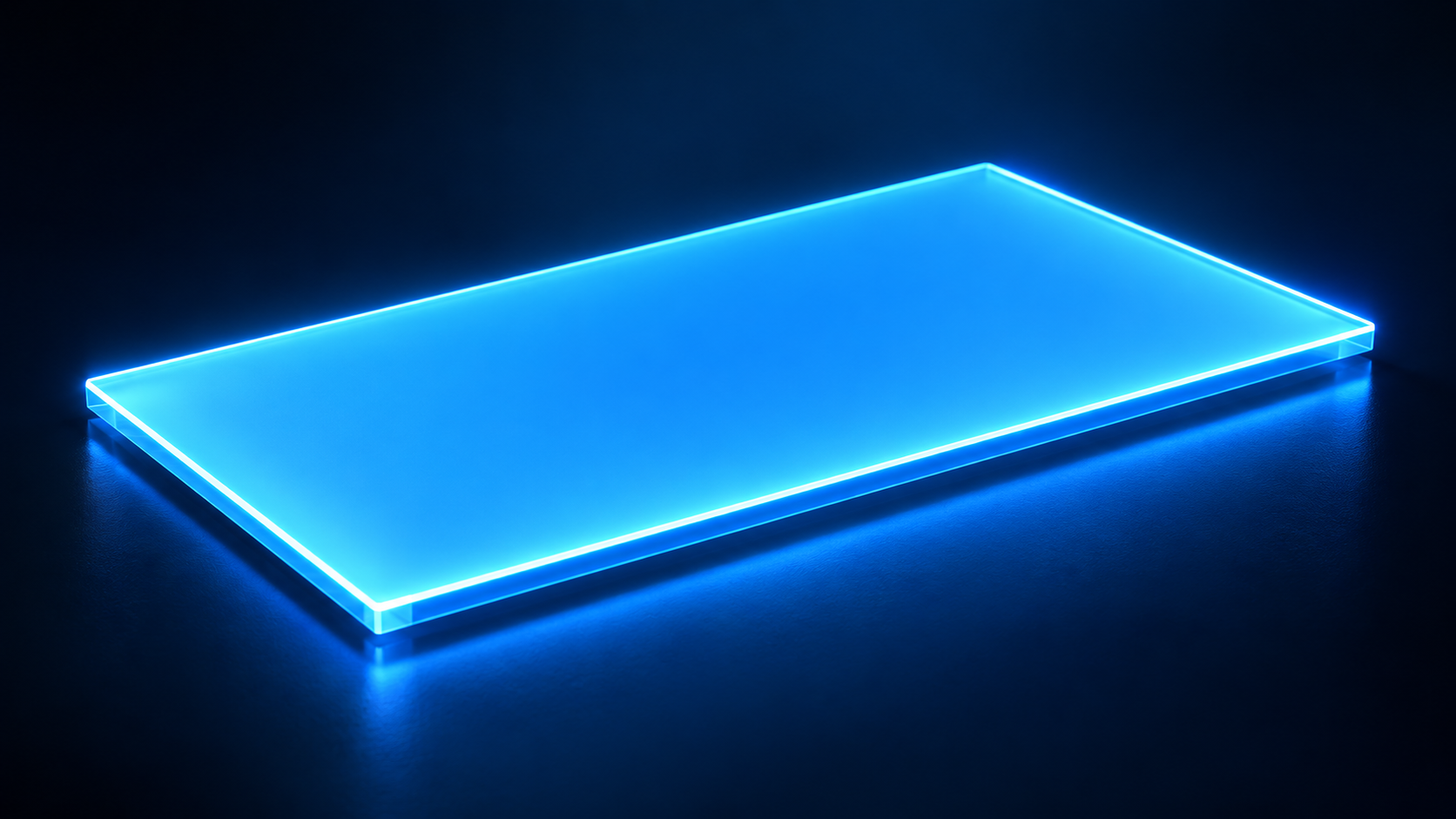
Ultra-thin, uniform illumination using engineered light guide films and diffusers. Excellent for low-profile designs.

EL (electroluminescent) or hybrid solutions for ultra-uniform lighting and unique form factors. Well-suited for wide-area lighting and creative designs.
From simple illuminated icons to fully integrated HMI assemblies, Printec delivers backlighting solutions built around your interface design.

Best for: Membrane switches, keypads, and user interfaces.

Best for: Equipment status, mode indication, and user feedback.
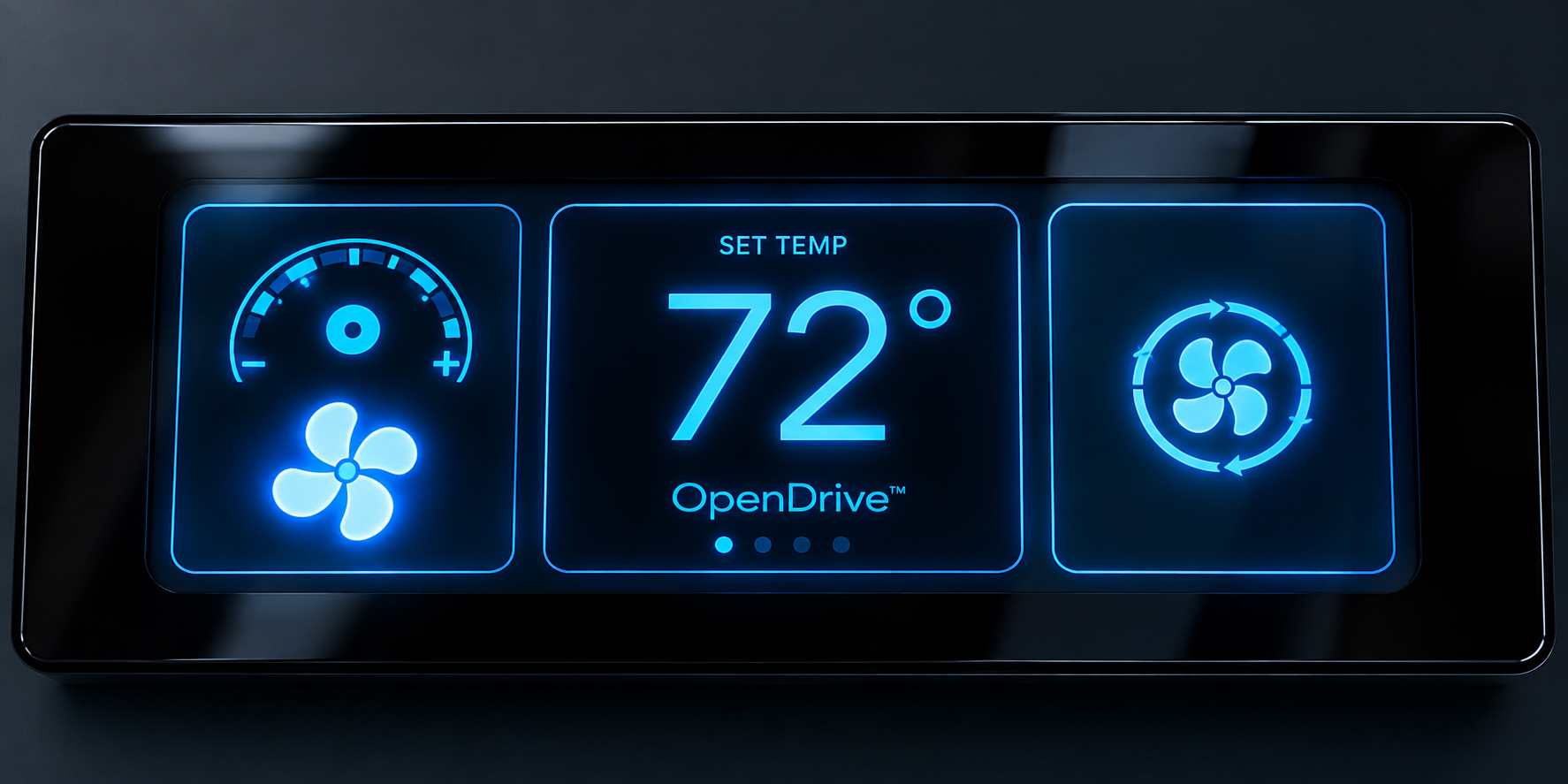
Best for: Complex interfaces with displays, touch, and backlighting.
We design for real-world performance. Our team helps you optimize every detail, from optics to assembly.
We bring deep expertise, responsive support, and a commitment to quality at every stage.
 Custom engineering
 Multi-technology
 Prototype to
 Quality-focused
Get the information you need about backlighting for membrane switches, HMIs, and user interfaces.
Printec can support LED backlighting, engineered light guide film and diffuser solutions, electroluminescent approaches, and hybrid configurations. The best method depends on the illuminated area, profile, power budget, brightness, color, interface construction, and operating environment.
Often, yes. Our engineering team can review the existing overlay, switch stack-up, available space, circuit architecture, power requirements, and enclosure constraints to determine the most practical integration path.
Uniformity is managed through light-source placement, light guide and diffuser design, reflective layers, printed opacity, registration, stack-up control, and prototype validation. The optical strategy is developed around the geometry of the illuminated legends and viewing requirements.
Helpful inputs include drawings or CAD data, overall size, illuminated areas and colors, target brightness, available power, environmental requirements, existing materials or stack-up, connector or PCBA needs, prototype quantity, estimated annual usage, and any required testing or certifications.
Our engineering team is ready to help bring your interface to life.


